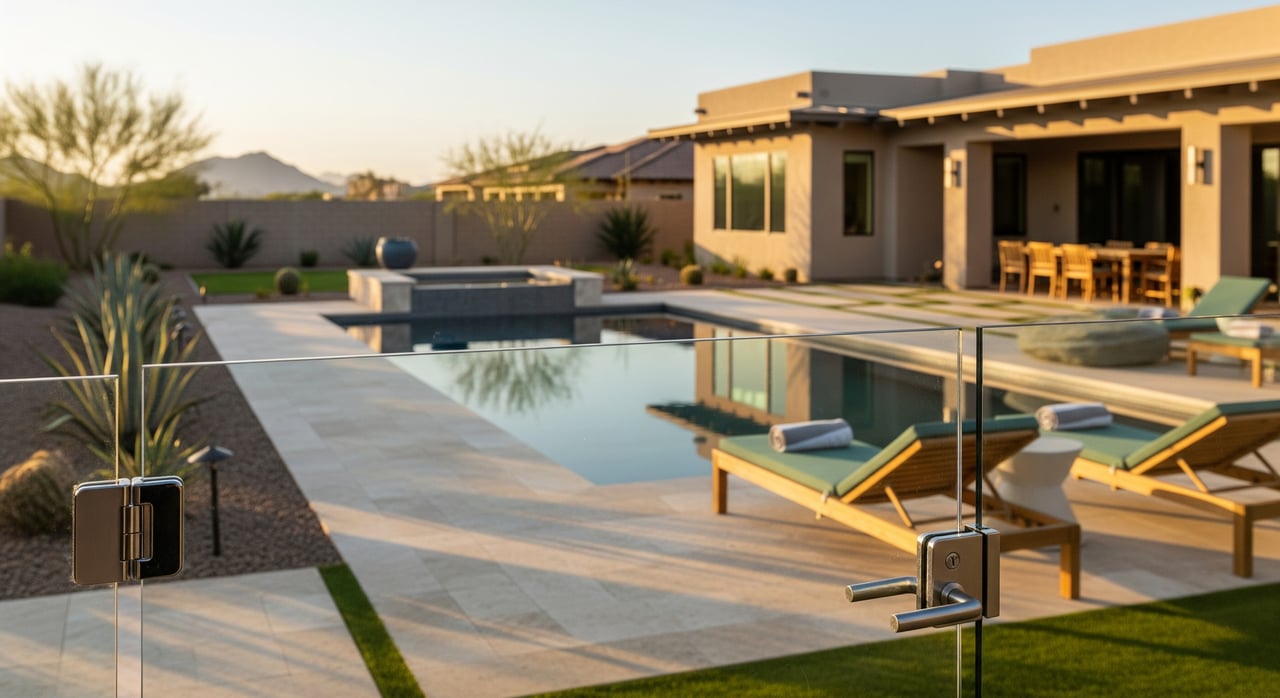
Thinking about listing your Tempe home with a pool? You want buyers to feel confident and you want your sale to move smoothly through inspection, financing, and escrow. Pool barrier issues or a “green” pool can slow a deal or trigger costly fixes at the worst time. This guide gives you clear steps to prepare your pool, meet local barrier expectations, resolve green-pool concerns, and document everything buyers and lenders want to see. Let’s dive in.
Why pool prep matters in Tempe
A safe, sanitary pool builds buyer trust and reduces liability. If your barrier is faulty or your water is stagnant, the city or county can issue violations that may need to be cleared before closing. Lenders and insurers often expect a secure barrier, and buyers expect clean water. Addressing these items early helps you negotiate from a position of strength.
Know who oversees what
Several local agencies may be involved, depending on the issue.
- City of Tempe Code Compliance and Building Safety handle municipal rules for pool barriers, gates, fencing, and permits for structural work.
- Maricopa County Environmental Services (Vector Control) responds to standing or contaminated water that creates mosquito hazards, often called “green pools,” and can require abatement.
- Arizona Registrar of Contractors (ROC) is where you verify that your fence, gate, or pool service contractor is properly licensed.
If you are unsure about requirements, start by contacting the City of Tempe for current barrier rules and permit needs, and Maricopa County Environmental Services for any green-pool procedures.
Barrier basics inspectors look for
Local rules often mirror common residential pool safety standards. Always confirm the exact requirements with the City of Tempe.
- Height: Many jurisdictions require a barrier height around 48 inches measured from finished grade to the top. Confirm Tempe’s minimum.
- Gates: Gates should be self-closing and self-latching. Latches are typically placed high or positioned so small children cannot reach from the outside. Some areas require gates to swing outward away from the pool.
- Openings and spacing: Openings should not allow a 4-inch sphere to pass through. Inspectors look for non-climbable designs that limit footholds.
- Bottom clearance: The gap between the barrier and the ground is usually limited, commonly 2 to 4 inches.
- Permits: New barriers or structural changes often require a permit. Minor repairs might not, but confirm with Building Safety.
- Supplemental measures: Some jurisdictions accept door or pool alarms and safety covers as supplemental layers. Ask Tempe which alternatives are accepted.
If your current fence or gate does not meet these typical standards, plan to correct it before you list.
Green pools and how to fix them
A green pool signals untreated, stagnant water and can be declared a public nuisance. County environmental teams can issue abatement notices, require treatment or draining, and recover costs if an owner does not act. This can lead to fines or administrative liens.
To remediate:
- Shock and circulate the water, clean filters, and balance chemicals until the pool is clear.
- Repair or replace a failing pump or circulation system that causes stagnation.
- If biological contamination is suspected, hire a licensed pool service to sanitize properly and document the work.
- If the county or city initiated a complaint, ask about the process for a clearance letter once remediation is complete.
Your pre-listing inspection checklist
Do a simple walkthrough before calling contractors. You will save time and focus work where it matters.
- Walk the full perimeter and note any holes, breaks, loose pickets, or missing sections in the fence or wall.
- Test gate operation. Does it self-close and latch on its own? Is the latch secure, and are hinge pins intact?
- Estimate fence height and check gaps at the bottom and between members.
- Remove climbable items within about 36 inches of the barrier, including pots, furniture, or stacked materials.
- Check the pool water. Note clarity, color, algae film, debris, or strong odors.
- Confirm pool equipment is present and appears functional: pump, filter, chlorinator, and skimmer lids.
Fixes to complete before you list
Use licensed professionals where required and confirm permit needs with the City of Tempe.
- Barrier repairs: Replace damaged panels, reset posts, correct ground gaps, and ensure the gate is self-closing and self-latching. Install or reposition latch hardware to meet local placement rules.
- Climbability: Relocate or remove anything near the fence that can be used as a step. Address horizontal rails or footholds that make climbing easy.
- Pool remediation: Hire a licensed pool service to shock, circulate, filter, and balance chemicals. Replace filter media if needed. Repair or replace failing pumps or equipment.
- Permits: Pull permits for new fencing or structural changes. Keep copies of approvals and final inspections.
What to show buyers to build confidence
A clear, dated documentation packet makes negotiations easier and helps lenders or escrow verify that issues are resolved.
- Before and after photos. Include wide and close-up angles showing repairs, gate alignment, latch position, gap measurements, and water clarity.
- Receipts and invoices. Ask for itemized invoices listing scope, materials, dates, and contractor contact details.
- Contractor statements. Request a signed note on company letterhead stating what was done, when it was completed, and that work conforms to applicable local codes to the contractor’s professional knowledge.
- Permits and inspections. Include copies of permits and final approvals if required.
- Clearance letters. If the city or county issued an abatement or a clearance after green-pool remediation, add those documents.
- Maintenance logs. Share recent service records for water chemistry, pump checks, and filter care.
- License verification. Include contractor ROC license numbers so buyers can verify licensing.
- Optional seller affidavit. A short statement that you completed the listed work and disclosed all known issues.
Presentation tips:
- Combine everything into a single PDF or a clean digital folder. Include a one-page summary with dates, work completed, and contractor contacts.
- Keep original permits and inspection approvals organized for closing.
Who to call and what to ask
Make these calls early so you are working from current rules.
- City of Tempe Code Compliance or Building Safety: Ask for the current residential pool barrier standards, gate and latch requirements, acceptable gap limits, and whether your planned repairs require a permit. Ask if any local forms or clearance letters are required at transfer.
- Maricopa County Environmental Services or Vector Control: Ask what triggers abatement for standing or contaminated water, which remediation steps are accepted, and how to obtain a clearance if a complaint was filed.
- Arizona Registrar of Contractors: Verify your contractors’ active licenses and appropriate classifications for fencing and pool work. Request ROC numbers from contractors and confirm them.
- Title or escrow officer: Ask whether they require specific clearance letters or reports related to prior pool violations.
- Real estate attorney (if violations or liens exist): Ask how to resolve any abatement billing or code liens and how to disclose them.
A simple timeline to follow
Stay organized so you can list confidently and avoid last-minute rushes.
- Week 1: Do the visual inspection, document issues, contact City of Tempe and Maricopa County if needed, and line up licensed contractors.
- Week 1 to 2: Complete barrier repairs, adjust gates and latches, relocate climbable items, and start pool remediation.
- Week 2 to 3: Finish water treatment or equipment repairs, obtain any required permits and final inspections, and request clearance letters if abatement was involved.
- Before listing: Compile your documentation packet with photos, invoices, permits, and contractor statements. Create a one-page summary.
- While on market and under contract: Keep the pool serviced and provide your documentation packet to buyers, lenders, and escrow upon request.
Common pitfalls to avoid
- Ignoring latch placement or gate swing requirements. Buyers notice and inspectors flag these quickly.
- Leaving furniture or planters near the fence. These can create easy footholds.
- Assuming no permit is needed. Confirm with Building Safety before starting structural work.
- Waiting to address a green pool. County abatement can add time, cost, and stress.
- Skipping documentation. Without clear proof, buyers may assume more work is needed.
Partner with a local expert
If you tackle barrier fixes and pool care early, you set the stage for stronger offers and fewer surprises. With 200-plus successful East Valley transactions, we help sellers plan repairs, coordinate licensed pros, and present clean documentation that builds buyer trust. If you are preparing to list a home with a pool in Tempe, we can help you navigate requirements, plan your timeline, and launch with polished marketing.
Ready to get started? Schedule a Free Consultation with Unknown Company.
FAQs
What should Tempe sellers know about pool barrier rules?
- Most jurisdictions expect around a 48-inch barrier, a self-closing and self-latching gate, limited openings that do not allow a 4-inch sphere, and controls on climbability. Always confirm specifics with the City of Tempe.
How do I fix a green pool before listing in Tempe?
- Treat and circulate the water, clean filters, balance chemicals, and repair equipment that causes stagnation. If a complaint was filed, follow county guidance and obtain a clearance once remediation is complete.
Do I need a permit to repair or replace my pool fence in Tempe?
- New barriers and structural changes commonly require permits, while minor repairs may not. Check with Tempe Building Safety before work begins.
Who inspects my pool barrier for compliance during a sale?
- City building inspectors or code officers enforce municipal rules. A buyer’s home inspector may comment on safety but does not issue municipal compliance certificates unless requested by the city.
What documents help buyers feel confident about my pool repairs?
- Dated photos, itemized invoices, contractor statements on letterhead, permits and final inspections, any city or county clearance letters, service logs, and contractor ROC license numbers.
Can the city or county abate my green pool and bill me?
- Yes. Agencies can order abatement for public-health nuisances, complete the work if you do not, and recover costs. Prompt remediation and documentation help you avoid this.