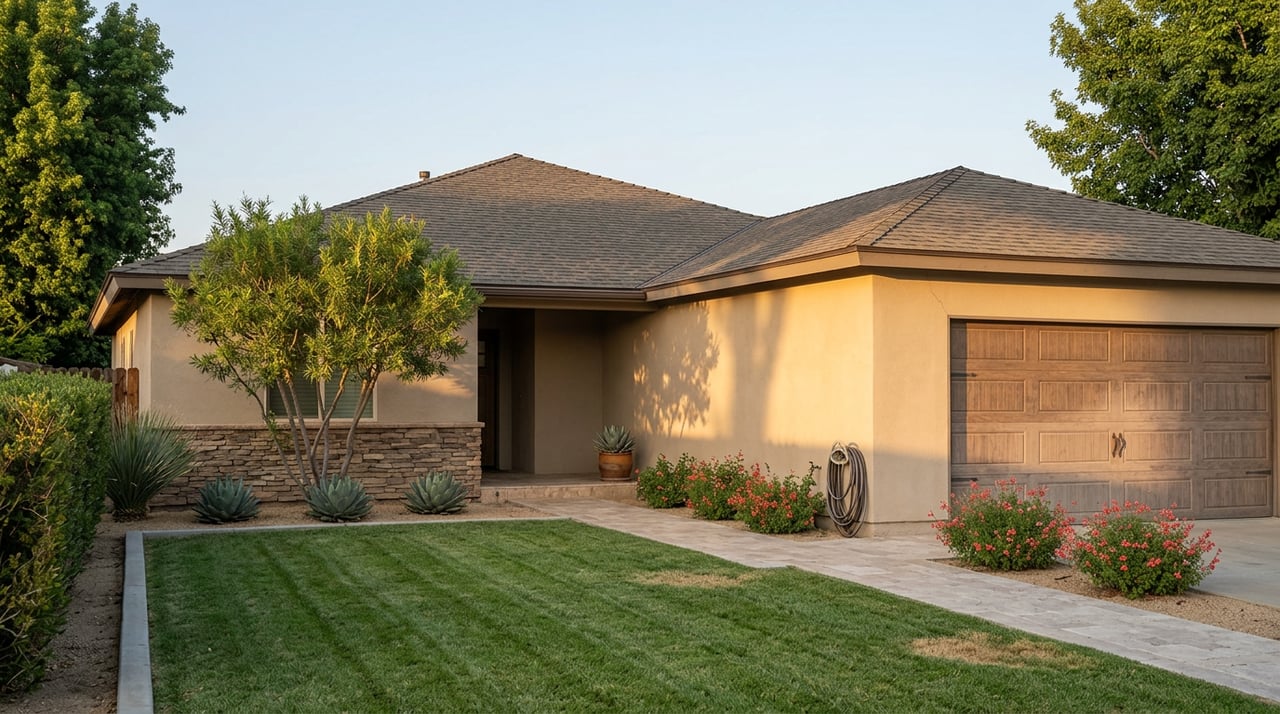
Trying to choose between Chandler and Mesa for your next move in the East Valley? You are not alone. Both cities offer strong value, but the trade-offs around space, commute, and ownership costs can feel very different once you get on the ground. In this guide, you will learn how the two cities compare so you can match your priorities to the right neighborhood and budget. Let’s dive in.
Quick snapshot: how they compare
Chandler and Mesa sit side by side in the East Valley, yet they deliver different experiences.
- Scale and variety: Mesa is larger by population, so it offers a broader range of neighborhoods, home ages, and price points. Chandler is more compact with many newer, master-planned communities.
- Pricing position: In recent years, Chandler typically trades at a premium relative to Mesa. Market medians fluctuate, but the relative gap has held across many cycles.
- Inventory mix: Mesa has more older resale options, including larger lots. Chandler skews newer with planned amenities, which can compress inventory in certain pockets.
Space and lot size
If yard space and home age matter to you, the differences show up quickly when touring.
Age of homes and layouts
- Mesa: You will find a wide range, from 1950s–1980s ranch homes to 1990s–present subdivisions and master plans. Older areas often feature single-level living and mature landscaping.
- Chandler: Much of the housing growth accelerated in the 1990s–2010s. Expect newer construction, planned communities, and townhome options alongside single-family homes.
Lot size trends
- Mesa: More opportunities for larger lots in older neighborhoods, including quarter-acre or more in some areas. That can work well if you want room for outdoor living, RV or boat parking, or potential ADU space subject to zoning.
- Chandler: Many subdivisions offer moderate suburban lots, especially in newer tracts. Select areas do offer larger lots and golf-course settings, but they are less common and often carry a price premium.
Chandler neighborhood examples
- Downtown Chandler and the Historic District: Older bungalows and modest lots with a walkable dining and entertainment core.
- Fulton Ranch and Chandler Fashion Center area: Newer, higher-end subdivisions and condos built mostly in the 2000s–2010s with convenient freeway access.
- Ocotillo: Master-planned, lake and golf amenities, and a mix of upscale homes with some larger lots.
- Southern Chandler: Newer subdivisions that are often HOA-managed with community parks and trails.
Mesa neighborhood examples
- Downtown Mesa and Lehi Historic: A mix of older homes and, in sections, larger lots near cultural venues and services.
- Dobson Ranch: A classic planned lake community with mid-sized lots and community amenities.
- Red Mountain and Red Mountain Ranch: Higher-end golf-course settings, views, and a variety of single-level and two-story homes.
- Eastmark: A large, newer master-planned community with amenities and ongoing new-build options.
- Superstition Springs area and southeast Mesa: Suburban subdivisions with varied lot sizes, parks, and shopping.
Neighborhood boundaries and lot sizes vary block by block. If space is your priority, verify parcel size, setbacks, and any RV or ADU rules with the city before you write an offer.
Commute and transportation
Daily drives in the East Valley depend on three major corridors. Your exact start and end points matter.
Freeways that shape daily life
- Loop 101 Price Freeway: The backbone north–south ring, connecting Chandler to Tempe and the northern East Valley. Helpful for trips toward Scottsdale or to link with Loop 202.
- Loop 202 Santan Freeway: The southern arc tying Chandler and Gilbert to I‑10 and US‑60. A key route for Chandler residents commuting west or south.
- US‑60 Superstition Freeway: The east–west spine through central and eastern Mesa toward Phoenix and Apache Junction. Many Mesa commuters use it to head west.
Typical commute patterns
- Living in Chandler: A robust local job base means some residents work within the city. Drives to central Phoenix, Tempe, or Scottsdale often use 101 and 202 connections. Off‑peak can be 20 to 40 minutes depending on the route, while peak periods are longer.
- Living in Mesa: Many residents travel west on US‑60 toward Tempe and Phoenix or link to Loop 101. Central and east Mesa can be closer to ASU Polytechnic and east-side medical and aerospace employers, but farther from Scottsdale or central Phoenix.
Peak flows often mean westbound mornings and eastbound evenings on US‑60, with heavy inbound movement on Loop 101 and 202. Expect variability by time of day and watch for special events.
Transit reality
Valley Metro bus service reaches both cities, but most East Valley households remain car dependent. Light rail primarily serves the Phoenix–Tempe corridor with phased East Valley projects and extensions subject to planning. If you are not directly on a transit corridor, plan for driving.
Commute testing tips
- Drive your route at your actual commute hour. Midday is not a reliable proxy.
- Map two backup routes that use different freeway access points or collector roads.
- If you work at a Chandler tech or manufacturing campus, consider neighborhoods that minimize freeway time by locating north or east of your workplace.
Ownership costs and upkeep
Arizona’s overall property taxes are moderate compared with national averages, but your total cost depends on multiple line items.
Property taxes
Bills vary by assessed value and local taxing districts. Use the county assessor tools for parcel-level estimates, and confirm any exemptions you may qualify for.
HOA fees and rules
- Chandler: HOAs are common in master-planned communities. Dues can range widely based on amenities, from basic management to gated facilities with pools, gyms, or golf.
- Mesa: You will find HOAs here too, but a larger share of older inventory is non‑HOA, which appeals to buyers who want fewer monthly fees and more flexibility.
Always review the full HOA documents and budget before you buy, especially if you want to add a shed, park an RV, or short‑term rent.
Utilities and energy
Cooling is a major cost in the Arizona summer. Electricity providers vary by location, commonly SRP or APS in the East Valley. Check the provider for each address, the rate plan options, HVAC age, insulation, and shade to estimate your monthly bills. Water and sewer rates vary by city and can be tiered, so landscaping choices and irrigation practices affect costs.
Insurance and flood risk
Homeowners insurance pricing reflects local factors like heat and monsoon-season storms. Some properties near washes or low‑lying areas have floodplain considerations. Review FEMA and county flood maps, understand lender requirements, and price flood insurance if needed.
Maintenance by lot size and age
- Bigger lots: Expect higher landscaping, irrigation, and pool upkeep. Budget time or hire out maintenance.
- Older homes: Plan for roof, HVAC, and plumbing updates on a different schedule than new builds. Inspections are crucial.
- Newer tract homes: Warranties may be expiring. Verify builder repairs and any known recalls.
Value and resale outlook
Both cities attract a wide buyer pool, but for different reasons.
- Chandler: Newer housing stock, proximity to large employment hubs, and strong school reputation in many areas have supported pricing over time. Inventory tightness in popular submarkets can keep values elevated.
- Mesa: A broad range of prices and home ages draws buyers who prioritize space and affordability. Larger lots and single-level ranches are a long-term differentiator that many buyers seek.
Long-run value tends to follow a few fundamentals: proximity to employment centers, quality of nearby schools based on public data, manageable HOA frameworks, and lot size or outdoor living potential.
Which city fits your priorities
- Shorter commute to Chandler employers: Start with Chandler neighborhoods near the South Chandler employment node and major 101/202 access points.
- More outdoor space or RV parking: Focus on older or central/east Mesa neighborhoods, plus select Red Mountain areas with larger lots.
- Walkable dining and night life: Downtown Chandler delivers a compact, restaurant-heavy district with an urban feel.
- Newer builds with amenities: Compare Chandler master-planned communities with Mesa’s Eastmark to balance budget, HOA features, and commute.
Buyer checklist for the East Valley
- Drive your commute during rush hour and off‑peak to compare.
- Verify the school district and specific school feeds for the property and review recent performance metrics from official sources.
- Confirm FEMA and county floodplain status and any lender flood insurance requirements.
- Identify the energy provider, typical seasonal bills, and the age and condition of HVAC.
- Review HOA budget, rules, fees, rental policies, and architectural guidelines.
- Order a current title report and review seller disclosures for any past flood or erosion issues.
- Pull recent comparable sales in the same neighborhood with similar lot size and age.
- If you want RV parking or an ADU, confirm zoning and setback requirements with the city.
Ready to compare specific neighborhoods, walk lots, and test drive commutes in person? Reach out for a tailored plan and on‑the‑ground insights across Chandler and Mesa. Schedule a Free Consultation with Ceejay Cesiel to get started.
FAQs
How do home prices compare between Chandler and Mesa in 2024
- Chandler typically trades at a premium to Mesa, though exact medians change with the market and should be verified before you write an offer.
What are typical Chandler to Tempe or Phoenix commute times
- Off‑peak can be 20 to 40 minutes depending on your route, but peak periods on Loop 101, Loop 202, and US‑60 add time, so test your drive at commute hours.
Are there more non‑HOA neighborhoods in Mesa or Chandler
- Mesa has a larger share of older, non‑HOA areas, while Chandler has more master‑planned communities where HOAs are common.
Where can I find larger lots for RV parking or an ADU
- Older and central/east Mesa neighborhoods often offer larger lots; always verify parcel size, zoning, and setback rules for your intended use.
How do utilities and energy costs compare between the cities
- Electricity providers vary by address, commonly SRP or APS; bills depend on rate plans, home efficiency, and summer cooling loads rather than city boundaries.
Is public transit a realistic daily option in the East Valley
- Bus service exists, but most residents are car dependent; light rail mainly serves the Phoenix–Tempe corridor, so plan for driving unless you live on a transit line.