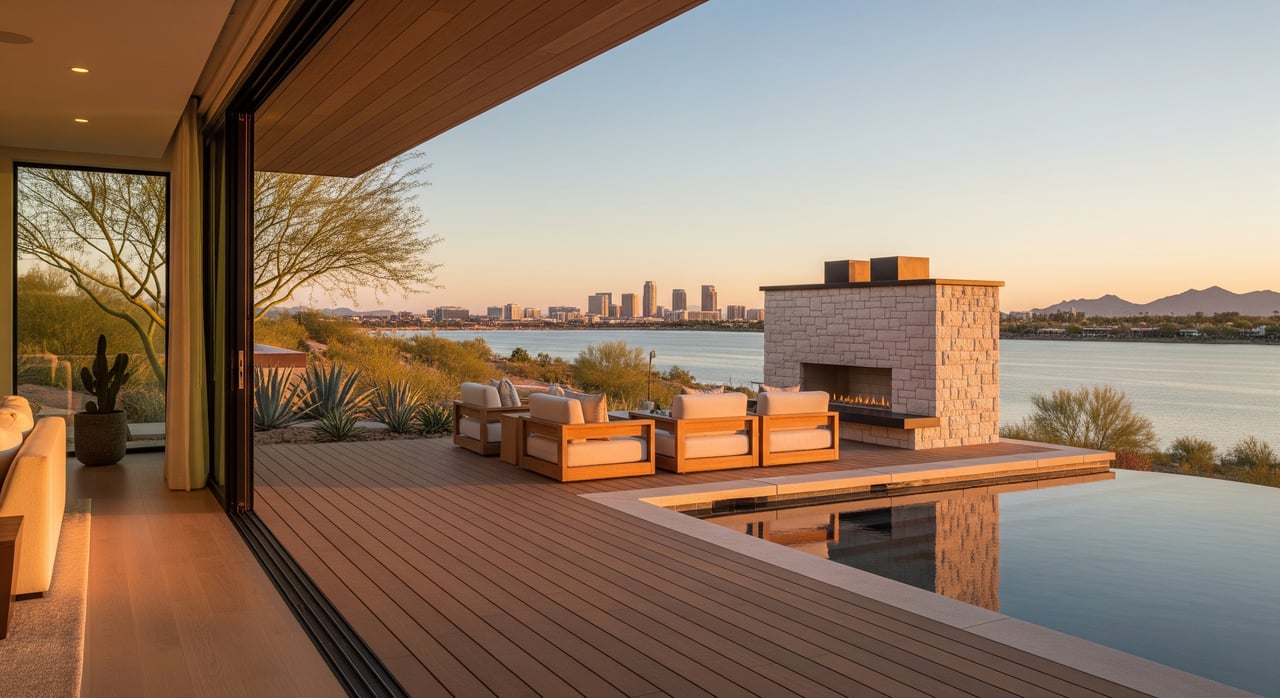
What if your everyday included sunrise walks by a lakeside path, a quick streetcar ride to dinner, and weekend shows at a major performing arts hall? If you’re picturing Tempe, you’re close. Whether you’re moving for work, school, or a lifestyle change, you want a clear view of what daily life actually feels like here. In this guide, you’ll get a practical look at neighborhoods, commuting options, local amenities, and seasonal rhythms so you can decide if Tempe fits your routine. Let’s dive in.
Tempe at a glance
Tempe blends a college-town spark with urban convenience and traditional neighborhood pockets. Arizona State University shapes the city’s energy, especially around Mill Avenue and Tempe Town Lake. You’ll find busy sidewalks, events, and a steady stream of restaurants and nightlife near the core.
If you prefer a calmer pace, you can get it. Quieter residential areas sit west and south of downtown, where single-story homes and local parks set the tone. Tempe’s outdoor lifestyle is strong citywide, and winter weather makes patios and trails popular.
The inner core has seen rapid redevelopment, with new mixed-use buildings and a more walkable feel than many Phoenix suburbs. Summers are very hot, with highs regularly above 100°F, so locals often shift outdoor time to early mornings and evenings and lean on shaded parks, indoor gyms, and water activities.
Neighborhood vibes and housing
Downtown, Mill Ave, and the lake
The downtown and riverfront area is Tempe’s most walkable zone. You’ll see mid-rise condos and apartments mixed with offices, shops, and late-night venues. It’s lively most days thanks to ASU and a steady calendar of events. Housing here skews to apartments and condos, with higher rents and purchase prices relative to outer neighborhoods.
Near ASU campus
Blocks around campus feature student-focused rentals, purpose-built apartments, and roommate-friendly layouts. You’ll notice quick turnover tied to the academic calendar. The tradeoff is convenience to classes, sports, and cultural events.
West Tempe
West of Mill Avenue, older single-family homes and mid-century ranch styles create a classic neighborhood feel. Streets are generally quieter, and daily errands often involve a short drive. This area draws people who want access to downtown without being in the middle of it.
South Tempe
South Tempe offers established residential communities with parks and local schools nearby. Many homes sit on wider lots compared with the core. It’s a good match if you want more space while staying within a short drive of shopping corridors and major freeways.
North Tempe
Closer to the Phoenix border and Sky Harbor direction, you’ll find a mix of single-family homes, older properties, and newer infill. Redevelopment continues in select pockets, adding modern townhomes and updated condos near transit and the lake.
What you’ll find across Tempe
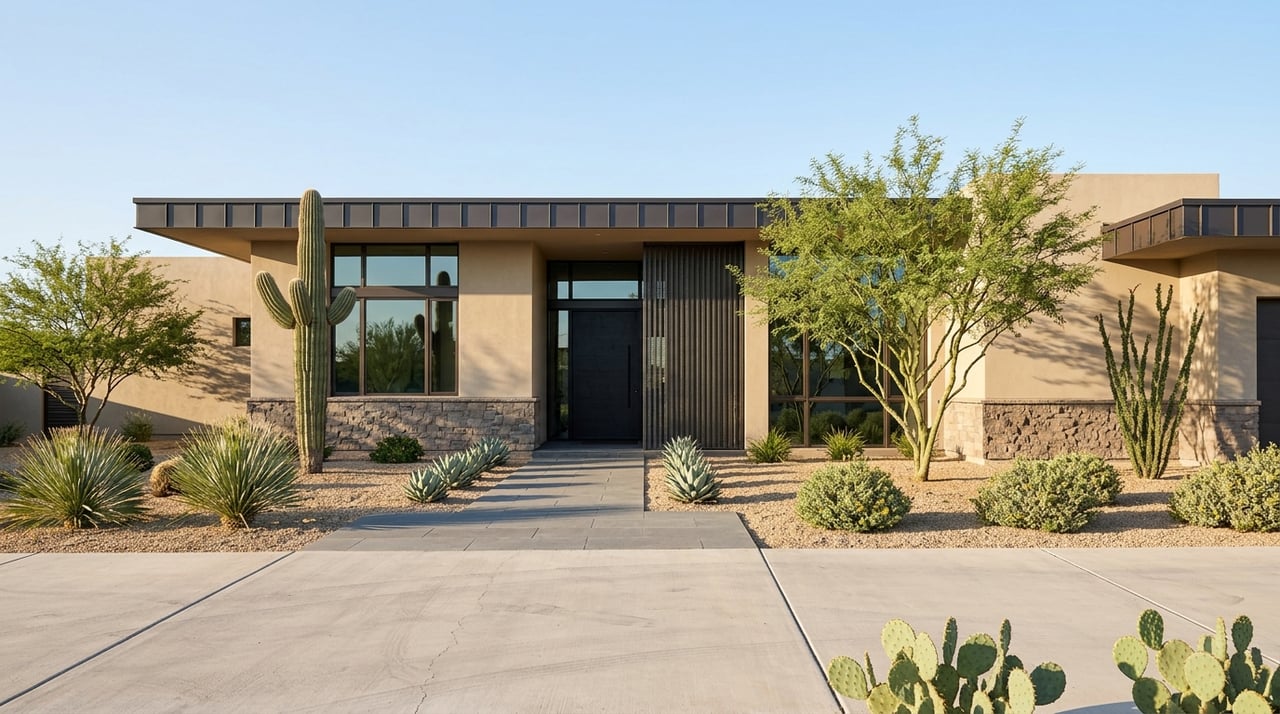
Across the city, you’ll see classic ranch homes, newer infill townhomes, and loft-style condos along major corridors. Downtown and lake-adjacent buildings lean modern and mixed-use, while outer areas favor single-family lots. Rents tend to be higher near ASU and Mill Avenue, with more variation as you move west and south.
Getting around day to day
Driving basics
Most residents own cars, and the region’s freeway network makes it simple to reach Phoenix, Scottsdale, and Mesa. Expect congestion at peak hours along I-10, US-60, and Loop 202. On event days, traffic and parking near downtown and the stadium can tighten, so plan extra time if your route passes through the core.
Light rail and the Tempe Streetcar
Valley Metro’s light rail runs through Tempe, connecting you to downtown Phoenix and east to Mesa. If your commute or social life lines up with the rail corridor, it can be a practical alternative to driving. The Tempe Streetcar serves as a short local circulator, linking downtown and riverfront nodes and making quick trips across the core more convenient.
Biking and walking
Tempe is one of the more bike-friendly cities in the metro. Central corridors have dedicated lanes, and you’ll see bikes and scooters around the lake and Mill Avenue. Downtown is walkable for daily errands, dining, and entertainment, while many residential pockets are car-dependent for grocery runs and longer trips.
Sample commute scenarios
If you live near the lake or along the rail line, transit can cover a commute to central Phoenix or key stops off the route. From west or south Tempe, many residents drive to nearby employment centers in Scottsdale or Mesa. A common strategy is to shift start and end times slightly earlier or later to dodge the heaviest traffic. On ASU game days or during festivals, give yourself a buffer for downtown crossings and consider using garages instead of street parking.
Daily life: food, fun, and errands
Dining and nightlife
Mill Avenue is the hub for casual dining, bars, and late-night spots. You’ll find quick tacos, local gastropubs, and crowd-friendly patios that stay busy during the school year and events. Around the lake and in newer mixed-use projects, there are sit-down restaurants where you can plan a dinner with a view or celebrate a special occasion.
Seasonal farmers markets and community food events pop up through the cooler months. If you like a weekend routine that includes coffee, fresh produce, and a stroll, you’ll have options within a short drive.
Shopping and services
Tempe Marketplace anchors the eastern side with big-box staples, national brands, and quick dining. Along major corridors, you’ll find grocery stores, fitness studios, and home services. Near Mill Avenue, independent boutiques and small shops add to the walk-and-browse scene.
Arts, culture, and events
ASU brings a full slate of programming to the city, from performing arts to exhibitions. You can catch touring shows at ASU Gammage or explore local and regional arts at Tempe Center for the Arts. Sports are part of the rhythm too, with Sun Devil game days creating a citywide buzz.
Annual festivals, concerts, and community celebrations keep the calendar full. These events add energy to daily life, though they can also mean fuller parking garages and busier streets near the venues.
Parks, trails, and lake life
Tempe Town Lake is a central recreational draw for kayaking, paddleboarding, and looping the multi-use paths by foot or bike. Kiwanis Park offers large green spaces and community recreation. With Papago Park nearby, you have quick access to desert scenery and trailheads for short hikes.
If you like staying active without long drives, you’ll appreciate how many options sit close to downtown. On hotter days, early mornings are prime time for the lake path and shaded park areas.
Schools and healthcare basics
Public schools in Tempe are served by local districts, and performance varies by campus. Many parents research individual schools and specific attendance boundaries before choosing a neighborhood. There are also private and charter options in the broader region.
Healthcare is covered by local hospitals, urgent care centers, and specialty clinics across the metro. For more complex needs, large medical centers in the Phoenix area are within a short drive.
What changes by season
Summer heat shapes daily life. Outdoor workouts shift to dawn or dusk, and many activities move indoors during midday. Water-based recreation and shaded trails see more traffic early and late.
Winters are mild and social, with patios full and event calendars busy. Spring and fall feel active too, with festivals, sports, and outdoor gatherings. If you plan to live near the core, expect a more noticeable pulse during major events throughout the year.
Who Tempe fits best
Tempe works for a range of lifestyles. If you value walkability and want to be near events, dining, and the light rail, the downtown and lake areas will likely stand out. If you prefer quieter streets, garages or carports, and parks nearby, west and south Tempe may match your pace.
If you’re interested in condo living, you can focus on mid-rise buildings near the core and key corridors. If you want a single-story home with a yard, explore established neighborhoods away from the busiest blocks near campus. Investors often look close to ASU, where student-oriented rentals are common, while long-term homeowners have many options in residential pockets citywide.
Tips before you choose a neighborhood
- Visit on a weekday and a weekend to gauge noise, parking, and traffic during events.
- Test your commute at the times you’ll actually drive or ride transit.
- Check walkability to your daily needs if you want to rely less on a car.
- Ask about parking rules and monthly garage costs if you’ll be downtown.
- If a condo interests you, review HOA rules, fees, and what they cover.
- Consider your distance to ASU and major venues if you prefer quieter evenings.
Ready to explore Tempe homes that fit your day-to-day? Get local guidance and a smooth, high-touch process with Ceejay Cesiel. You’ll get neighborhood insight, clear communication, and tailored options so you can move forward with confidence.
FAQs
Is Tempe walkable?
- It depends on the neighborhood; downtown, Mill Avenue, and Tempe Town Lake are more walkable, while many residential areas rely on cars for daily errands.
How does ASU affect daily life in Tempe?
- ASU brings cultural events, sports, restaurants, and steady activity; it can also mean busier streets and more noise near campus during games and festivals.
What is summer like in Tempe?
- Summers are very hot with highs regularly above 100°F, so outdoor time shifts to early mornings and evenings and many activities move indoors midday.
What is commuting like from Tempe to Phoenix or Scottsdale?
- Most residents drive using I-10, US-60, or Loop 202, though light rail serves key corridors; shifting your schedule and avoiding event peak times helps.
Are there good parks and outdoor options in Tempe?
- Yes; Tempe Town Lake, Kiwanis Park, nearby Papago Park, and multi-use paths offer water activities, playgrounds, sports fields, and scenic walking and biking.
How are schools and healthcare in Tempe?
- School performance varies by campus, so many parents research specific schools; local hospitals, clinics, and urgent care centers serve everyday healthcare needs.